
Painting Versus Wallpaper: Which Works Best?
November 20, 2026by Uncategorized0
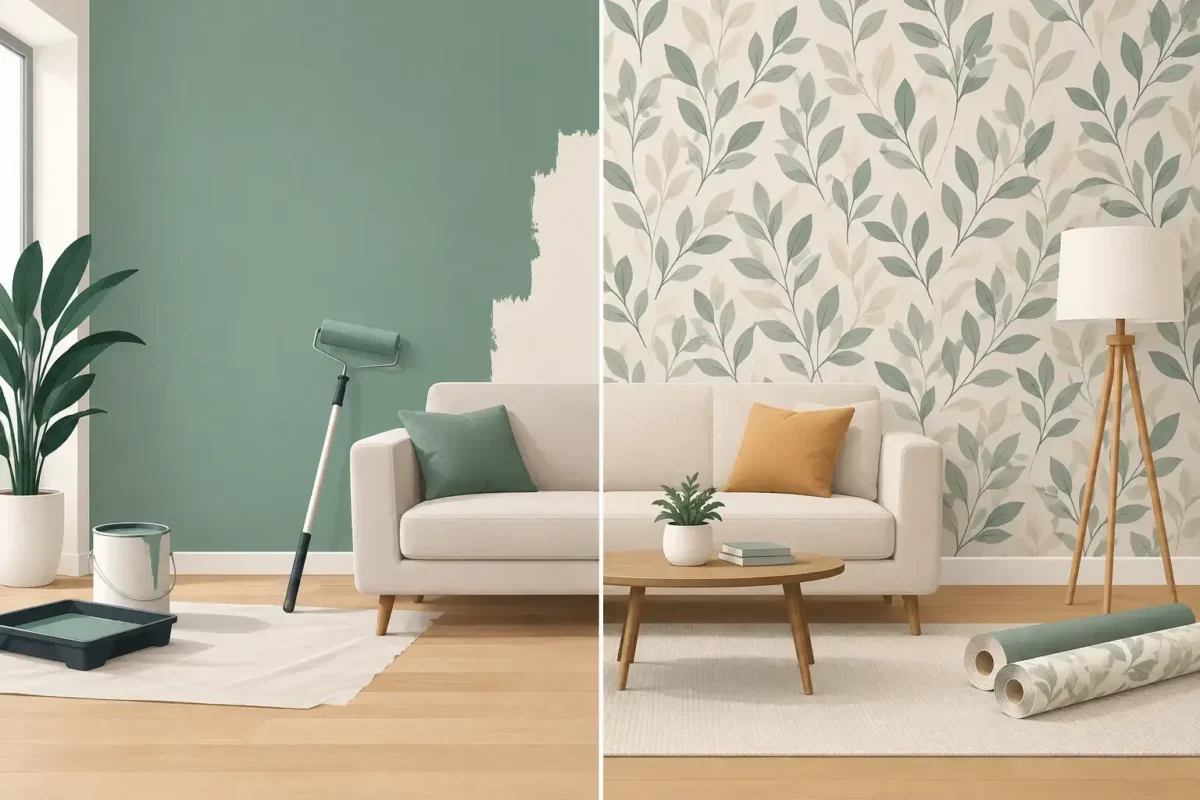
A feature wall can change the feel of a room in a day, but the wrong finish can become an expensive annoyance within a year. When weighing up painting versus wallpaper, Brisbane property owners need to look beyond the initial look. Humidity, sunlight, tenant turnover, wall condition and the future plans for the property all affect which option will perform best.
Paint is generally the more flexible, practical choice for whole homes, rental properties and commercial spaces. Wallpaper can deliver a distinctive finish that paint cannot always replicate, particularly in carefully chosen feature areas. The right answer depends on the room, the condition of the walls and how much maintenance you are prepared to take on.
Painting versus wallpaper: the main differences
Painting gives a clean, adaptable finish across large areas. It suits almost every room, is available in a wide range of colours and sheens, and can be refreshed without major disruption. A good paint system also makes sense where walls need regular cleaning or may require patching over time.
Wallpaper is primarily a design finish. It can introduce texture, pattern, metallic detail or a mural effect that would be difficult and costly to reproduce with standard paint. However, it relies on sound wall preparation and careful installation. Poor adhesion, visible joins or an uneven substrate can quickly spoil the result.
For many Brisbane homes, the best approach is not strictly one or the other. Painted walls with a wallpaper feature wall can give a room personality while keeping future maintenance straightforward.
Cost is more than the upfront quote
The installed cost of wallpaper is often higher than painting, especially when premium paper, detailed pattern matching or wall repairs are involved. The material itself can vary significantly in price, and installation takes precision. If the paper has a repeating pattern, more product may be required to align each drop correctly.
Painting costs are usually easier to predict for a standard room. Preparation still matters – cracks, dents, water stains and failing old paint need to be addressed before coating – but paint is generally more economical across broad wall areas.
The longer-term cost is where the difference becomes clearer. A painted wall can usually be touched up or repainted when scuffed, faded or no longer suited to the room. Damaged wallpaper may require a replacement section, and an exact match is not always available years later. If the paper is discontinued, the practical fix may be removing and replacing the whole wall covering.
For investment properties and high-traffic commercial areas, repainting is usually the more cost-effective maintenance plan. For an owner-occupied home where a particular wallpaper is central to the design, the additional investment may be worthwhile.
Brisbane conditions matter
Brisbane’s heat, bright UV exposure and humid summer weather should influence interior finish decisions. Direct sun can fade both paint and wallpaper, particularly on walls beside large windows. Quality interior paint in an appropriate sheen is easier to refresh when fading becomes noticeable.
Humidity is an even bigger consideration. Wallpaper installed in a poorly ventilated bathroom, laundry or kitchen can lift at edges or seams if moisture gets behind it. Steam, condensation and splashes also make cleaning more difficult. Waterproof wall systems or tiled splashbacks are generally the better choice in wet areas.
Wallpaper can work well in bedrooms, living rooms, dining rooms, studies and entry spaces, provided the room is dry and well ventilated. In these areas, it is less likely to be exposed to repeated moisture or heavy cleaning.
Paint also needs to be selected correctly. Washable low-sheen or satin finishes are often practical for family homes, hallways, offices and rentals because they handle everyday marks better than a flat finish. Ceiling paint, trim paint and wall paint each have a different role, so using one product across every surface can compromise the finish.
Wall condition determines the final result
Neither paint nor wallpaper will hide serious surface issues. Painting can soften minor imperfections when the right preparation and sheen are used, but it will not conceal cracks, loose plaster or uneven patching. Wallpaper can disguise some fine texture, yet it can also draw attention to bumps, poor joints and walls that are out of square.
Before wallpaper is installed, walls should be dry, stable, clean and properly prepared. Old flaking paint must be removed, cracks repaired and surfaces sanded smooth. Porous walls may need priming or sizing to control absorption and help future removal.
This preparation is particularly important in older Queensland homes and properties that have had previous repairs. If there is evidence of water damage, mould or movement cracks, deal with the underlying issue first. Covering it with paint or wallpaper only delays the repair and can lead to a failed finish.
A professional assessment can also identify whether plastering or rendering repairs are needed before decorating begins. This is often the difference between a finish that looks sharp on completion and one that starts showing defects soon after.
Maintenance and repairability
Paint is the clear winner where easy maintenance is the priority. Children, pets, moving furniture and busy tenancy turnover all create marks on walls. With the correct paint product and retained colour details, small areas can often be repaired without redecorating the entire room.
Wallpaper requires more care. Some vinyl and washable wallpapers are durable enough for moderate traffic areas, but not all paper finishes cope well with rubbing, moisture or cleaning products. Textured, fabric and metallic papers can be especially delicate. Always check the manufacturer’s cleaning guidance before choosing a product for a hallway, stairwell or children’s room.
Removal should also be considered before installation. Modern wallpapers can be easier to strip than older products, but removal still takes time and can damage weak plaster or poorly prepared walls. Repainting after wallpaper removal may involve patching, sanding and sealing before the new colour can be applied.
Resale, leasing and commercial presentation
Neutral paint is usually the safest choice when preparing a Brisbane property for sale or lease. It helps rooms feel clean, light and adaptable, allowing buyers or tenants to imagine their own furniture and style in the space. It also gives agents and property managers a simple finish to maintain between occupants.
That does not mean wallpaper has no place in a property being sold. A well-selected feature wall in an entry, powder room, master bedroom or dining area can add a considered design element. The key is restraint. A bold personal pattern across multiple rooms may narrow the appeal, while one quality feature can make a property more memorable.
For commercial settings, paint is commonly the practical default because branding, layouts and tenants can change. It is quick to update and easier to repair after signage, fittings or furniture are moved. Wallpaper can suit reception areas, hospitality venues, boutique retail spaces and selected office meeting rooms where atmosphere is part of the customer experience.
When paint is the better choice
Choose paint for whole-house refreshes, rentals, busy family homes and commercial interiors where durability and future flexibility matter. It is also the stronger option for walls that may need occasional patching, rooms exposed to moisture, and projects with a defined maintenance budget.
Paint is not limited to plain white or beige. Carefully selected colours can create depth, highlight architectural details and change how large or bright a room feels. Feature colours, textured coatings and specialist finishes can add character without the installation and removal demands of wallpaper.
When wallpaper earns its place
Wallpaper is worth considering when the room needs a deliberate design statement rather than simply a fresh coat. It works particularly well on a protected feature wall with good lighting and low risk of damage. A powder room, formal dining room, nursery, bedroom or entrance can all benefit from pattern or texture.
Use it where it will be seen and appreciated, not where it will constantly be bumped, scrubbed or exposed to steam. Select a product suitable for the room, order enough material for pattern matching and future repairs, and have the wall prepared properly before installation.
Make the decision room by room
There is no need to choose one finish for an entire property. A practical combination often produces the best result: durable painted walls through living areas, bedrooms and hallways, then wallpaper used selectively to lift a feature space. This keeps the project manageable while still delivering a more tailored look.
For homeowners, the decision should reflect how you live in the space and how long you expect to stay. For property managers, builders and commercial operators, maintenance access, cleaning requirements and future change should carry more weight. The best finish is the one that looks right on day one and remains practical well after the job is complete.
If you are planning a repaint, renovation or property refresh, start with the condition of the walls and the demands of each room. A well-prepared surface and quality workmanship will do more for the final result than chasing a trend that does not suit the property.