
How to Assess Roof Condition Before Repairs
October 19, 2026by Uncategorized0
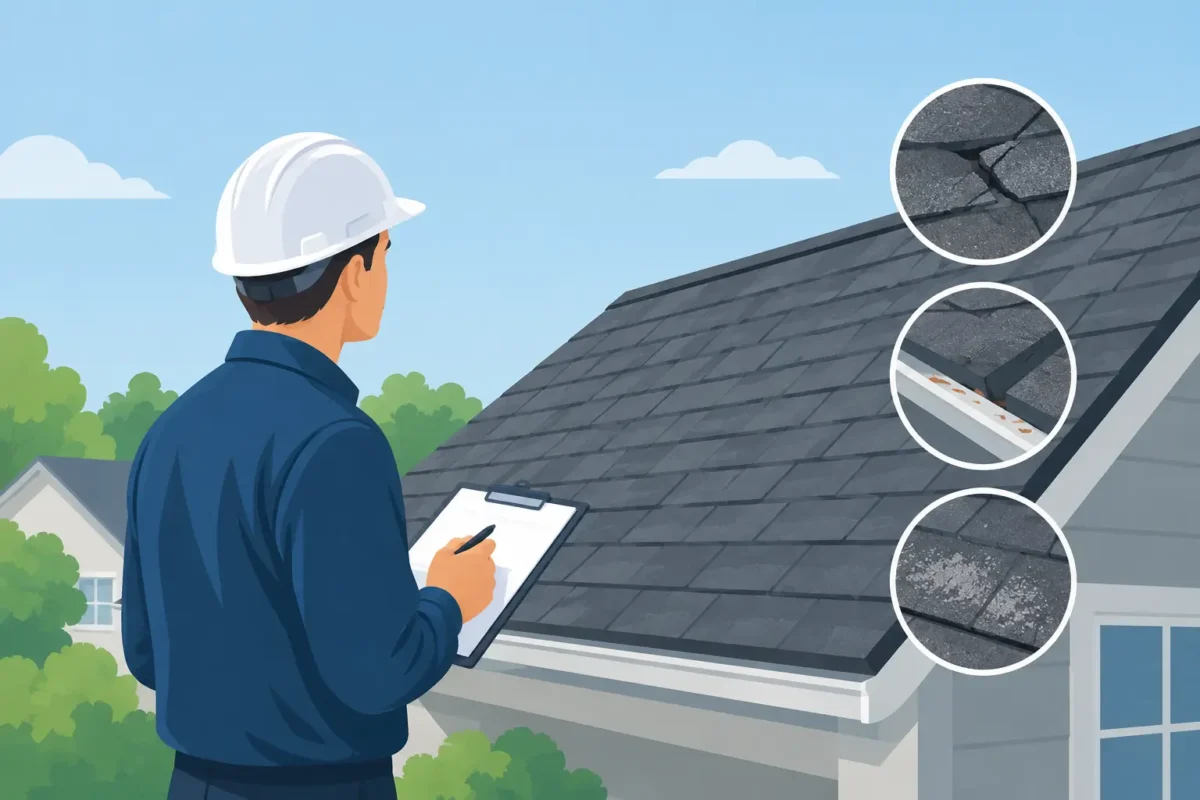
A roof can look acceptable from the driveway while small defects are already allowing water, heat and moisture into the building. By the time a ceiling stain appears, the issue may have spread through insulation, timber or plasterboard. Knowing how to assess roof condition helps Brisbane property owners act earlier, plan maintenance properly and avoid turning a manageable repair into a costly restoration.
For homeowners, the aim is not to climb onto the roof and diagnose every detail. A safe ground-level inspection, combined with a check inside the property, can reveal whether it is time to arrange professional roof cleaning, repairs, restoration or a closer inspection.
Start with a safe view from the ground
Choose a dry day with good light and walk around the property from the ground. Use binoculars if needed, but do not walk on a roof unless you are trained, equipped and confident it is safe to do so. Roof surfaces can be slippery, brittle or unstable, particularly after rain, and older tiles can crack under foot.
Look at the roof as a whole before focusing on individual areas. Does the ridge line appear straight? Are any sections sagging, uneven or noticeably discoloured? A change in the roof’s shape can point to issues below the surface, including damaged framing, water ingress or overloaded gutters.
Pay close attention to the roof edges, valleys, ridges, flashing around chimneys or vents, and areas beneath large trees. These are common places for leaves, moisture and debris to collect. On Brisbane homes, intense sun, heavy rain and storm activity can accelerate wear in exposed sections.
How to assess roof condition by roofing material
The signs to look for depend on whether the property has tiled, metal or other roofing. Age matters too. A well-maintained older roof may perform better than a newer roof that has been poorly installed or neglected.
Concrete and terracotta tile roofs
From the ground, look for cracked, slipped or missing tiles, especially along ridges and roof valleys. Broken tiles create direct paths for water to enter, while displaced tiles can expose underlay and battens to weather.
Tile roofs may also develop moss, lichen or heavy dirt build-up. Growth does not automatically mean the roof is failing, but it holds moisture and can make defects harder to see. It may also indicate that cleaning and protective roof coating should be considered as part of a planned maintenance program.
Check ridge capping as well. Cracked, loose or deteriorating bedding and pointing around ridge tiles can allow water in and may become a safety risk during strong winds. Repairs to ridge capping are best assessed by a qualified roof professional, as the right preparation and materials affect how long the repair will last.
Metal roofs
Metal roofing should have clean, consistent lines with sheets sitting securely in place. Look for loose screws, lifted sheet edges, rust patches, dents, failed sealant or corrosion around fasteners and penetrations. Rust often starts in small areas, so do not ignore staining near screws, overlaps or gutters.
Faded paint does not always mean the roof needs replacement. However, widespread chalking, peeling coating or surface corrosion may indicate that roof painting or restoration is due. The condition of the substrate must be checked first. Painting over active rust, poor preparation or loose fixings will not solve the underlying problem.
Also look for debris caught beneath solar panels, around skylights or in roof valleys. These areas can trap water and hide corrosion. Access around solar systems requires extra care, so a professional inspection is the sensible option where defects are suspected.
Check gutters, downpipes and drainage
A roof is only as effective as its drainage system. Blocked gutters force rainwater to overflow into eaves, wall cavities and foundations. In a Brisbane downpour, a gutter that drains slowly can quickly become a property maintenance issue.
From ground level, look for vegetation growing from gutters, water marks beneath the gutter line, sagging sections, rust, leaking joins or downpipes that discharge too close to the building. During rain, observe where water goes. Overflowing gutters and water cascading over the front edge are clear signs that cleaning, repairs or adjustment is required.
Gutter condition can also reveal roof issues. Granules, broken tile pieces, rust flakes or large amounts of debris may suggest deterioration above. If your property is surrounded by mature trees, more frequent gutter cleaning is usually required, especially before the wet season.
Inspect the roof from inside the property
The ceiling space often provides the clearest evidence of a developing leak. If access is safe, use a torch to inspect the roof cavity from the manhole. Step only on secure joists or boards and avoid disturbing insulation or electrical wiring.
Look for water staining on timber, damp insulation, mould, musty odours, daylight visible through the roof, rusty nails or timber that appears dark and deteriorated. Fresh leaks can be difficult to identify during dry weather, but old staining still deserves investigation. It may indicate a past repair that needs checking or a problem that only occurs during wind-driven rain.
Inside the living areas, inspect ceilings and upper walls for brown marks, bubbling paint, peeling plaster, cracks or mould. These signs are not always caused by the roof. Condensation, plumbing leaks and poor ventilation can produce similar symptoms. A proper assessment identifies the source before repairs are made to ceilings, paintwork or plaster.
Know the warning signs that need prompt attention
Some roof issues can be scheduled as routine maintenance. Others need a timely professional inspection to prevent more serious damage. Arrange an assessment promptly if you notice:
- active water leaks, ceiling stains that are spreading, or water entering after rain
- missing tiles, lifted metal sheets, loose ridge capping or storm damage
- sagging roof areas, cracked structural timbers or visible movement
- extensive rust, damaged flashing or gutters overflowing close to walls
- mould or persistent dampness in the ceiling space.
After a severe storm, inspect from the ground once conditions are safe. Take clear photos of any visible damage for insurance records, but avoid temporary fixes that require climbing onto the roof. A contractor can assess the extent of the damage and carry out repairs without creating further risk.
Separate cleaning, repairs and restoration
A roof assessment should lead to the right scope of work, not a one-size-fits-all solution. If the roof is structurally sound but covered in dirt, lichen and leaf debris, professional cleaning may be enough. If a small number of tiles, screws, flashings or ridge caps are damaged, targeted repairs may provide good value.
Restoration becomes more appropriate when wear is widespread but the roof structure remains serviceable. This can involve cleaning, repairs, surface preparation, re-bedding or re-pointing where needed, and applying suitable protective coatings. It is different from simply putting paint over an ageing roof.
Replacement may be necessary where corrosion, structural damage or repeated leaks are extensive. The decision depends on the roof material, age, previous repairs, access, budget and the property’s long-term plans. For a rental, commercial building or property being prepared for sale, documented maintenance can also help protect presentation and reduce unexpected issues later.
Use a professional assessment to plan ahead
A thorough roof inspection should consider more than what is visible from the street. It should cover roof coverings, flashings, penetrations, ridge capping, gutters, drainage and signs of water damage inside the building. It should also distinguish urgent repairs from work that can be budgeted for over the coming months.
For property managers, scheduled checks are particularly useful before storm season, at lease turnover and after reported leaks. For homeowners, an inspection every year or two is a practical baseline, with more regular attention for heavily treed sites, older roofs or properties exposed to coastal conditions.
M&M Handyman can help Brisbane property owners assess roof issues alongside related maintenance such as gutter cleaning, roof repairs, painting and plaster repairs caused by water damage. The best time to inspect a roof is before the next heavy rain reveals a problem on your ceiling.