
When to Replace Damaged Plasterboard at Home
October 11, 2026by Uncategorized0
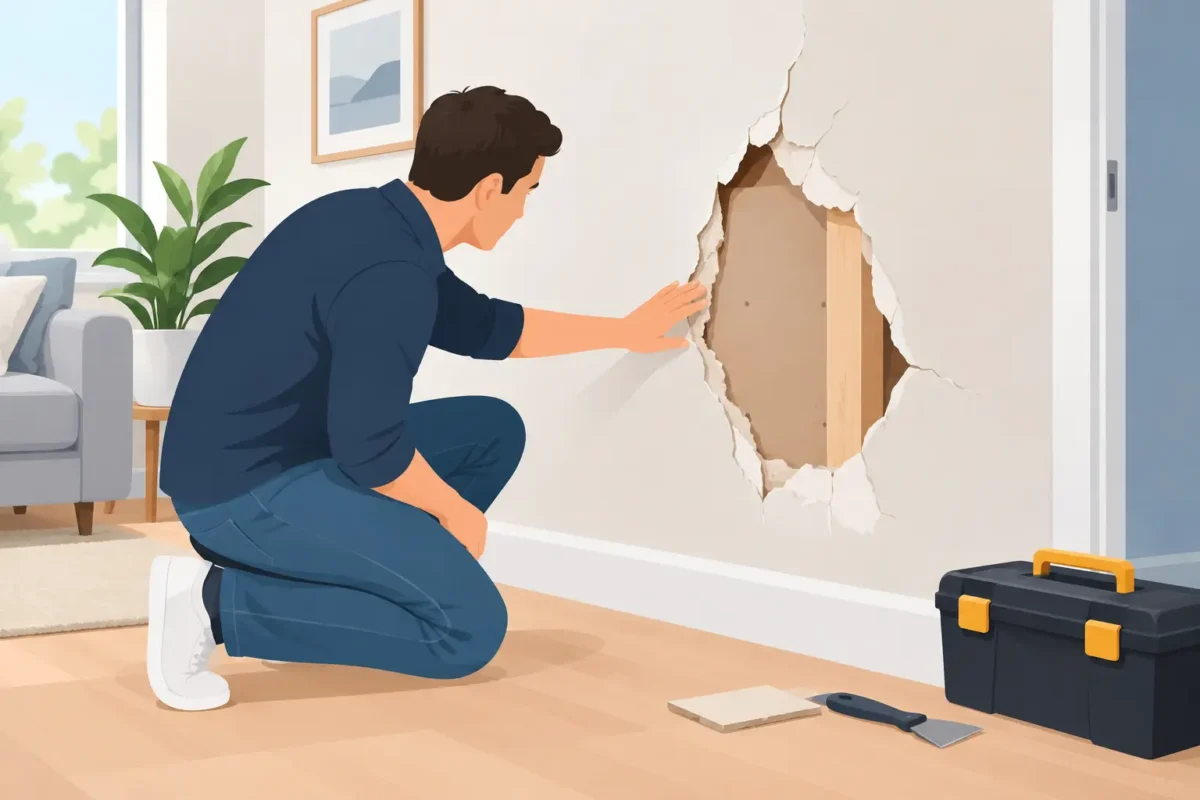
A small dent beside a hallway door is one thing. A soft, stained wall below a leaking bathroom, or a ceiling beginning to sag, is another matter entirely. Knowing when to replace damaged plasterboard helps prevent a cosmetic issue becoming a larger repair involving framing, insulation, electrical work or mould treatment.
For Brisbane homes and commercial properties, moisture is often the deciding factor. Humid conditions, storm damage, roof leaks, failed waterproofing and air-conditioning condensation can all affect plasterboard well beyond the mark visible on the painted surface. The right response depends on the cause, the extent of the damage and whether the board can still provide a sound, safe base for a quality finish.
When damaged plasterboard can be repaired
Not every damaged wall or ceiling needs to be removed. Localised damage on otherwise dry, firm plasterboard is usually suitable for repair. This includes small dents, shallow scratches, nail pops and minor holes caused by moving furniture, door handles or picture hooks.
A plasterer can cut out a small damaged section, install a patch, tape the joins and apply compound in thin coats. Once sanded, sealed and painted correctly, the repair should blend into the surrounding surface. This is generally the most efficient option where the board has not lost strength and there is no ongoing moisture issue behind it.
Hairline cracks may also be repairable, but they need a proper assessment first. A crack at a plasterboard join can result from normal building movement. Repeated cracking in the same place, wide cracks, or cracking accompanied by doors sticking and uneven surfaces may point to movement in the framing or structure. Simply filling it may make the wall look better for a short time, but it will not address the reason it cracked.
When to replace damaged plasterboard
Replacement is the better option when the board is water-affected, unstable, contaminated or damaged over a broad area. Plasterboard is made with a gypsum core and paper facing. Once it becomes saturated, it can swell, soften and lose its ability to hold a smooth finish. Drying the surface does not always restore its strength.
Look closely for these signs:
- Brown, yellow or grey water stains that continue to spread or return after painting
- A soft, crumbly or swollen surface, especially around skirting boards, windows, bathrooms and ceilings
- Sagging ceiling sheets, visible bowing, or screws pulling through the paper face
- Mould growth, musty odours or staining on both sides of a wall or ceiling
- Large holes, multiple failed patches, or impact damage that has broken the board across a wide section
Ceiling damage deserves particular attention. A sagging ceiling can worsen quickly, especially after heavy rain or a plumbing leak. If plasterboard appears bowed, wet or close to coming away from the framing, keep people clear of the area and arrange an inspection promptly. Do not attempt to push it back into place or add a few screws through wet, deteriorated board.
Water damage is rarely just a painting issue
Painting over water marks is tempting when a property needs to be presented for sale, lease or inspection. However, a stain-blocking primer only hides the evidence. It does not fix a leaking roof, cracked tile grout, failed shower waterproofing, overflowing gutter or leaking pipe.
The moisture source must be identified and repaired before new plasterboard is installed. Otherwise, replacement sheets can be damaged in exactly the same location. A good repair sequence is straightforward: stop the water, allow the area to dry, inspect the framing and insulation, remove compromised material, then reinstate the plasterboard and finish.
In some cases, insulation behind a wet ceiling or wall also needs replacement. Wet insulation can hold moisture against timber or steel framing and reduce its effectiveness. This is why a proper assessment is more valuable than treating only the visible face of the wall.
Mould and contaminated plasterboard
Mould is a clear reason to take plasterboard damage seriously. Small areas of surface mould caused by condensation may be able to be cleaned once ventilation and moisture control have improved. But plasterboard with extensive mould growth, prolonged water exposure or a musty smell may need to be removed rather than cleaned and painted.
This is particularly relevant in bathrooms, laundries, kitchens, rental properties and rooms with limited ventilation. Where mould has penetrated porous material, replacement helps remove the affected material rather than sealing it behind a new coat of paint. The cause may be as simple as an unvented bathroom exhaust fan, but it should be addressed at the same time as the repair.
The cost trade-off: patch now or replace properly?
A patch is usually less expensive than replacing a full sheet or a large wall section. It also creates less disruption, which can matter in an occupied home, tenancy or workplace. But a low-cost patch becomes poor value if the surrounding board is soft, stained or likely to fail again.
Replacement can be more economical over the life of the repair where there are multiple patches, significant water damage or an uneven finish that will show through fresh paint. It provides a clean, stable surface for setting, sanding, sealing and repainting. For owners preparing a property for sale or tenants moving in, that difference is visible in the final presentation.
The scope should suit the damage. Replacing an entire wall for a fist-sized hole is usually unnecessary. Equally, cutting out a tiny patch from a ceiling that is broadly waterlogged can leave weak material around the repair. An experienced tradesperson will test the board, check the surrounding area and recommend the smallest scope that still delivers a lasting result.
What a professional plasterboard replacement involves
A durable repair is more than fitting a new piece of board. The damaged section is carefully removed so the framing can be inspected. If there has been a leak, the area must be dry before new materials go in. New plasterboard is then measured, cut and fixed securely, with appropriate backing added where required.
The joins are taped and set in several coats to create a flat transition between the new and existing surfaces. After drying and sanding, the repair is sealed before painting. Priming is especially important where there were previous water stains, repairs or different surface porosity. Skipping this stage can leave flashing, visible joins or uneven paint sheen.
For ceiling work, access, safety and containment also matter. Dust protection, clean work practices and careful colour matching help keep disruption down in occupied homes, strata buildings and commercial spaces. Where repairs sit near cornices, light fittings, vents or tiled areas, coordinating plastering with painting and handyman work can avoid unnecessary return visits.
Advice for landlords, property managers and owners
Document water damage as soon as it is found. Take clear photos, note when the issue appeared and report active leaks quickly. This makes it easier to identify whether the problem relates to plumbing, roofing, common property, a bathroom fitting or tenant use.
For rental and commercial properties, avoid delaying repairs until the next vacancy if there is active moisture, mould or a compromised ceiling. Prompt work protects the asset and reduces the chance of a larger interruption later. It also gives the repaired surface adequate drying, setting and painting time instead of rushing a finish before a handover.
A qualified contractor can assess whether a simple patch will achieve a clean result or whether removal and replacement is warranted. M&M Handyman provides practical plasterboard, painting and maintenance support for Brisbane properties, with the focus on fixing the cause as well as restoring the finish.
The best time to act is before damaged plasterboard becomes a safety concern or spreads behind a freshly painted surface. If the board feels soft, shows repeated staining or no longer sits flat and firm, arrange an inspection and repair it properly the first time.