
Brisbane Wall Patching Services Done Properly
September 13, 2026by Uncategorized0
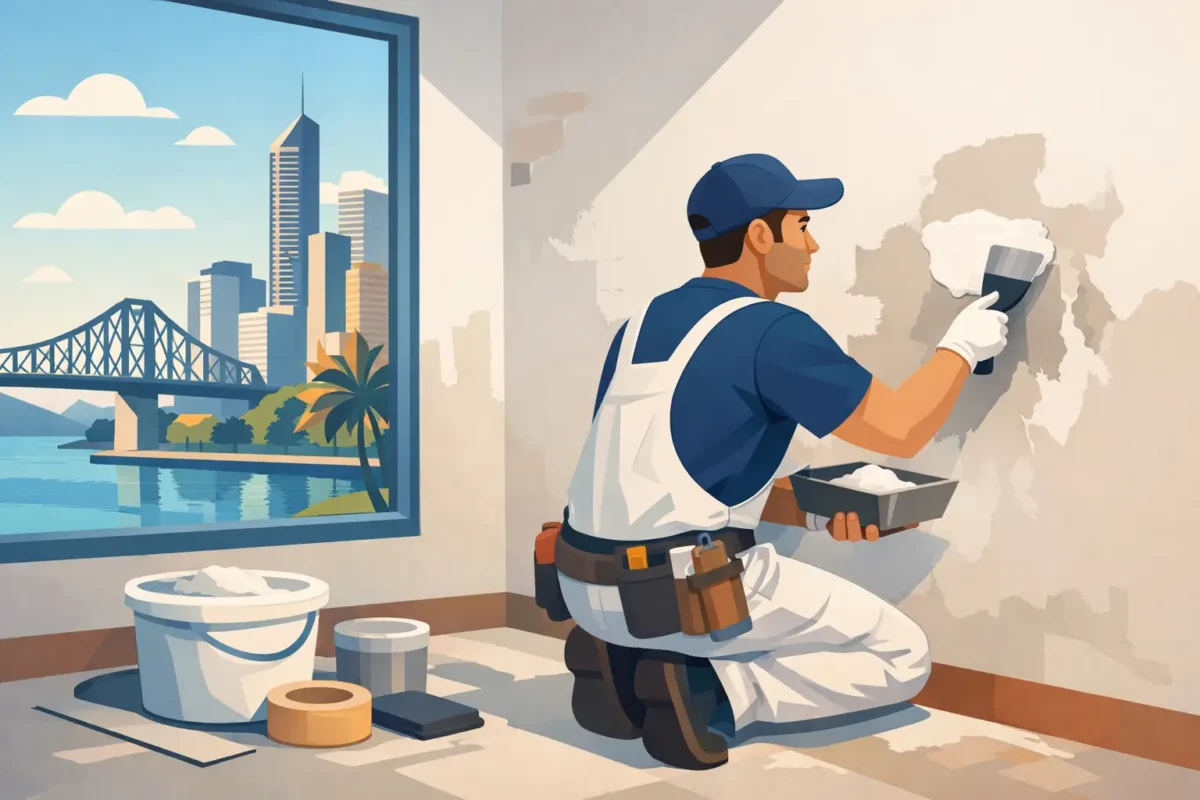
A small hole in a wall can make an otherwise well-kept property look neglected. Professional wall patching services restore damaged plasterboard, cornices and rendered surfaces so the repair blends in properly, rather than becoming more noticeable after the paint dries. For Brisbane homeowners, property managers and commercial operators, the objective is simple: a clean, durable finish with minimal disruption to the property.
The quality of a wall repair is rarely determined by the final coat of paint alone. It comes down to identifying what caused the damage, preparing the surface correctly and allowing each stage of the repair to cure before painting. Rushing this work can leave a visible patch, cracking around the repair or a difference in surface texture that catches the light.
When Wall Patching Services Are the Right Call
Wall damage comes in many forms. A door handle may have punched through plasterboard, picture hooks may have left a row of holes, or furniture moving may have caused dents and scrapes. In rental properties, it is common to find scuffed corners, wall anchors, adhesive damage and larger holes that need attention before a new tenant moves in.
Cracks need a closer look. Fine hairline cracks can occur as a building settles or as materials expand and contract through Brisbane’s heat and humidity. They are often straightforward to repair. Wider cracks, recurring cracks or cracks around windows, doors and ceiling lines may point to movement, moisture or an underlying issue. Patching over them without addressing the cause can produce a short-term improvement, but the crack may return.
Water staining and soft plasterboard also require more than a cosmetic repair. The leak or moisture source must be resolved first. Once wet material has lost its strength, it may need to be cut out and replaced rather than filled. This is particularly relevant around bathrooms, kitchens, laundries and air-conditioning units.
A professional repair is worthwhile when the damage is in a prominent area, when the wall has a textured finish, or when the property is being prepared for sale, lease or a commercial handover. These are the situations where an uneven patch can affect presentation and create more work later.
What a Proper Wall Repair Involves
Good wall patching starts with preparation. Loose paint, damaged paper facing and weak material are removed so the new patch has a stable surface to bond to. For larger holes, the repair may require new plasterboard, backing supports or reinforcing mesh. This creates strength behind the repair rather than relying on filler alone.
The jointing compound or plaster is then applied in controlled layers. Each layer is feathered beyond the damaged area to avoid a raised edge. Depending on the size of the repair and the products used, drying time between coats matters. Applying the next coat too soon can trap moisture, while sanding an uncured compound can tear the surface and compromise the finish.
After sanding, the repaired area should feel level when run by hand and look consistent under side lighting. This is where experienced tradespeople make a real difference. A wall can appear smooth from directly in front, yet show obvious waves, ridges or patch outlines when sunlight comes through a window or downlights are switched on.
Priming is the next important stage. New plaster and patched areas absorb paint differently from an existing painted wall. A suitable primer helps seal the repair so the topcoat achieves a more even sheen and colour. Without it, the patched section can flash through the paint as a dull or shiny spot.
Matching Paint and Texture
Even a perfectly patched wall can stand out if the paint colour, sheen or texture does not match. Flat, low-sheen, satin and semi-gloss finishes all reflect light differently. In many homes and commercial spaces, a section of wall may need repainting from corner to corner to make the repair disappear, rather than simply brushing paint over the patched spot.
Texture adds another consideration. Older properties may have textured plaster, orange-peel finishes or rendered walls that need specialist preparation. Matching these surfaces is possible, but it takes the right materials and technique. It is not a job to treat as standard hole filling.
Common Repairs in Homes, Rentals and Commercial Properties
For homeowners, wall patching is often part of a larger refresh. It may be needed before interior painting, after electrical work, during a kitchen renovation or when removing old shelving and wall-mounted televisions. Completing repairs before painting gives the whole room a sharper, more consistent result.
Property managers and real estate professionals often need prompt repairs between tenancies. Time matters, but so does the standard of the work. A quick patch that is poorly sanded or badly colour matched can lead to tenant complaints, inspection issues and another call-out. Coordinating patching and painting through one contractor can reduce handovers and help keep the turnaround on track.
Commercial properties have their own demands. Offices, retail spaces, schools and childcare facilities need repairs completed cleanly and with consideration for staff, visitors and trading hours. Protection of floors and nearby furniture, tidy dust control and clear timing are part of a professional service, particularly in occupied buildings.
Why DIY Patches Often Show Through
Small nail holes are manageable for many property owners. Larger or visible repairs are less forgiving. The most common DIY problem is using too much filler in one application. Thick filler shrinks as it dries, leaving a hollow or cracked centre. Another common issue is sanding only the repair itself instead of feathering the surrounding wall, which creates a hard edge beneath the paint.
Paint matching can also be difficult. A tin of leftover paint may be the correct colour but still look different if the wall has faded, been cleaned repeatedly or has a different sheen. The repair may need a broader repaint to achieve a uniform appearance.
DIY work can make sense for minor touch-ups in low-visibility areas. It is less suitable for holes larger than a few centimetres, recurring cracks, water-damaged plasterboard, damaged cornices or walls that will be closely inspected during a sale, lease or final project handover.
Planning the Work Around Your Property
Before work begins, it helps to identify all wall damage in the room or property. Handling several repairs in one visit is usually more efficient than booking separate jobs for each small issue. Take note of paint colours where known, whether there is spare paint on site and whether furniture needs to be moved or protected.
The timeframe depends on the number and size of repairs, drying conditions and whether painting is included. A small patch may be completed quickly, but a quality repair can still require return coats or adequate curing time before final painting. Brisbane humidity can affect drying, particularly in enclosed rooms or during wet weather, so a realistic schedule protects the finish.
If damage is linked to a leak, building movement or a failed fixture, organise that issue first. Wall patching is the finishing stage, not a substitute for repairing the source of the problem.
M&M Handyman provides practical repair and painting support for Brisbane properties, helping clients move from visible damage to a clean, paint-ready surface without juggling multiple contractors. The focus is on sound preparation, tidy workmanship and a finish that suits the rest of the property.
A repaired wall should not draw attention to itself. Whether you are preparing a rental for new tenants, refreshing a family home or maintaining a busy commercial space, allow enough time for the repair to be done properly – the result will hold up better and present the property at its best.